Startups and scale-ups
Automate the work that grows with customer volume, build internal tools, or add an AI capability to the product.
AI implementation UK
OriginLines helps UK startups, SMEs, established companies, and in-house teams automate manual work, build AI-enabled products, and strengthen internal operations. Senior engineers work from discovery through production and leave the company owning the system.
Who we help
OriginLines can own a complete automation project, build an AI product, or work inside an existing product and engineering team.
Automate the work that grows with customer volume, build internal tools, or add an AI capability to the product.
Remove administration across finance, operations, support, sales, HR, compliance, and reporting without replacing every system.
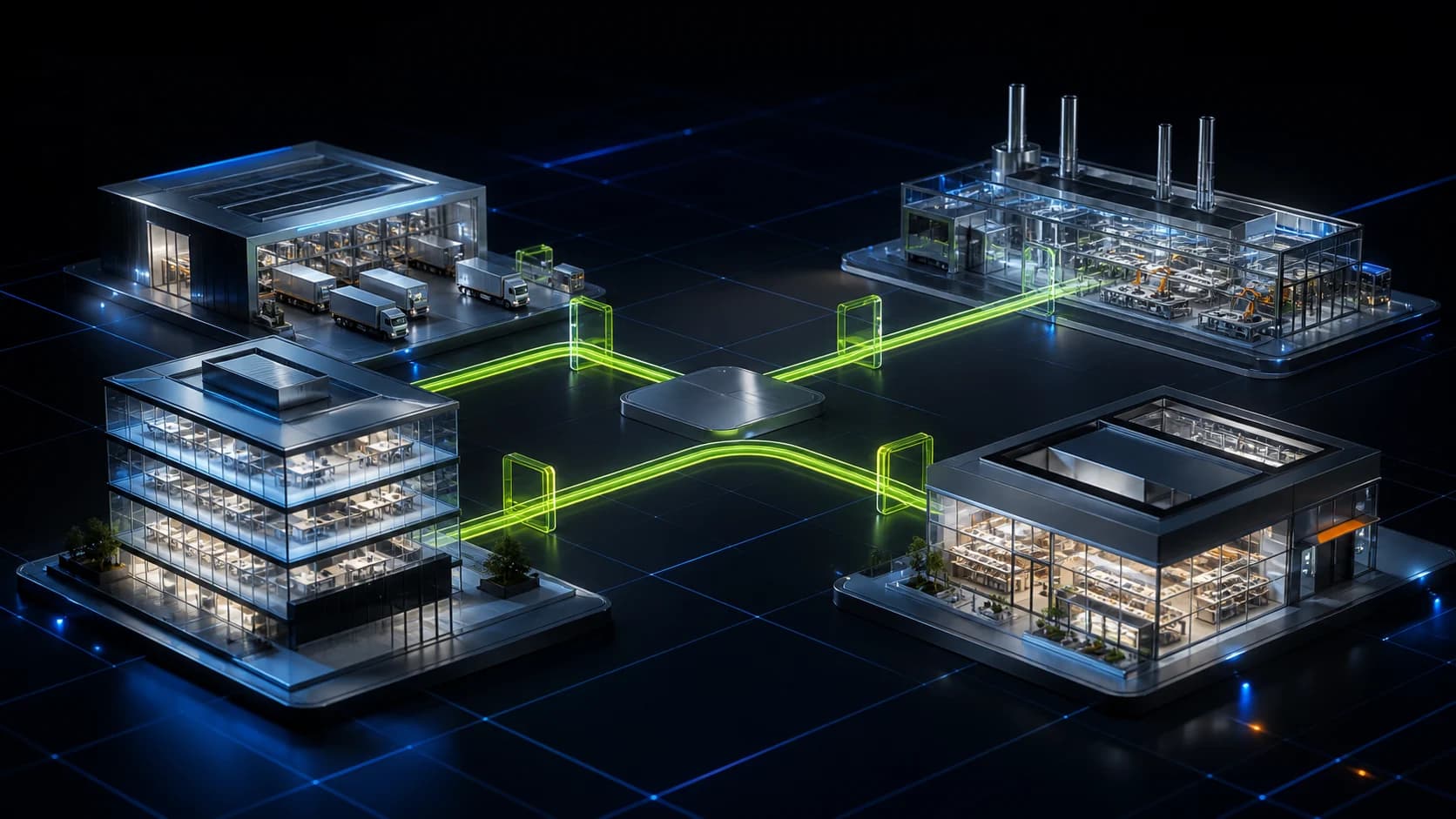
Connect teams and systems around controlled workflows with permissions, monitoring, recovery, and measurable service outcomes.
Add senior delivery capacity for AI products, workflow automation, applications, APIs, data, and infrastructure.
What can be automated
Useful opportunities often sit between departments and systems. Our first conversation follows the full path, including exceptions, approvals, and the result the business needs.
Case routing, exception handling, approvals, scheduling, and operating reports
Invoice processing, billing checks, expense review, collections, and management packs
Support triage, order issues, account questions, refunds, and service updates
Lead enrichment, CRM updates, proposal preparation, follow-up, and onboarding
Onboarding, policy support, document intake, training records, and HR service requests
Document checks, audit trails, policy workflows, case preparation, and exception review
Internal support agents, knowledge search, access requests, incident intake, and runbooks
Data entry, report preparation, metric reconciliation, summaries, and action tracking
From opportunity to production
A useful first release has an accountable owner, accessible systems, representative cases, and a result the business can compare with the current process. The models, software, integrations, and controls follow those constraints.
Record volume, time, cost, delays, exceptions, corrections, and service impact so the company knows what the implementation must change.
Build the integrations, software, model-assisted steps, approval interface, tests, monitoring, and recovery paths required for daily use.
Track handling time, completion, correction, escalation, cost, and user adoption. Expand the scope only when the evidence supports further investment.
Keep repositories, cloud accounts, documentation, operational controls, and deployment knowledge in the client environment where practical.
Industry examples
An onboarding workflow, site report, production exception, and compliance case need different data, controls, reviewers, and measures. The industry pages make those differences concrete.
Proposal generation · Client onboarding · Knowledge management · Document processing
See the use cases 02Site reporting · Compliance workflows · Document control · Supplier coordination
See the use cases 03Production reporting · Quality workflows · Supplier coordination · Internal support
See the use cases 04Customer onboarding · Compliance operations · Document review · Internal support agents
See the use cases 05Customer support · Product data · Order exceptions · Returns and inventory
See the use cases 06Customer operations · Sales workflows · Reporting · AI product features
See the use cases 07Referral intake · Scheduling · Records and reporting · Staff support
See the use cases 08Shipment exceptions · Delivery documents · Customer updates · Fleet reporting
See the use cases 09Enquiries · Tenancy and lease admin · Maintenance · Portfolio reporting
See the use cases 10Candidate admin · Placement onboarding · Timesheets · Compliance records
See the use cases 11Guest enquiries · Booking coordination · Supplier admin · Daily reporting
See the use cases 12Learner onboarding · Course administration · Support · Reporting
See the use cases 13Order processing · Supplier records · Inventory exceptions · Customer service
See the use casesUK delivery in 2026
There is no useful one-size-fits-all compliance badge. The implementation needs to match the process, the data, the impact on people, the client's sector, and the authority given to the system.
The design should address lawful use, fairness, transparency, purpose, minimisation, accuracy, security, accountability, and individual rights.
Read the ICO AI guidanceSignificant solely automated decisions can require safeguards such as information for the affected person, a way to challenge the decision, and human intervention.
Read the UK Government summaryFinancial services, healthcare, employment, public services, safety-critical operations, and other contexts can add duties beyond general data protection.
A reviewer should see the source information, understand the proposed action, and have enough authority and time to change or stop it.
This page describes implementation considerations, not legal advice. The client remains responsible for its legal and regulatory obligations.
Common questions
A production implementation can include workflow mapping, model selection, data access, APIs, identity and permissions, user interfaces, evaluation cases, human approval, monitoring, deployment, documentation, and operating support.
Yes. The work begins by mapping the current process, its systems, decision rights, data, exceptions, and cost. We then define one release that can complete the workflow and produce measurable evidence.
Not necessarily. Stable rules should remain deterministic. An agent or model-assisted step fits when the work requires interpretation, variable context, or a choice among approved actions. Many production systems combine both approaches.
Timing depends on workflow scope, data access, integrations, risk, and current process volume. A narrow process with accessible systems can produce evidence sooner than a broad cross-functional programme. We define the sequence only after understanding the actual constraints.
Book a consultation
We will identify whether it is suitable for automation, estimate the opportunity from your baseline, and define a controlled first release.
Book a call